
Blog
Reducing Biosecurity Risks Through Better Farm Cleaning Practices
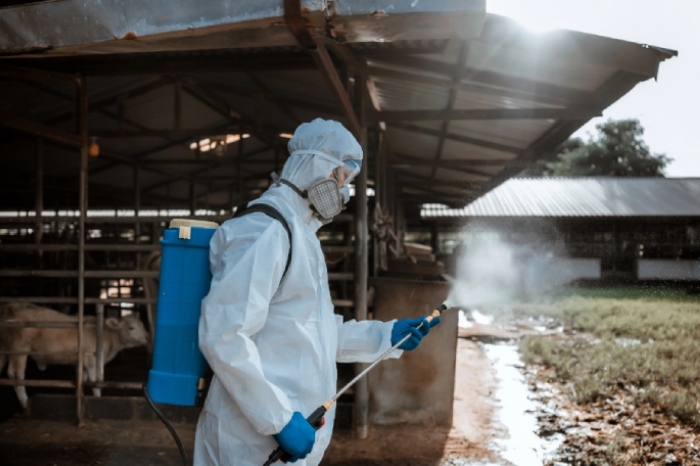
For livestock producers, preventing disease outbreaks is an ongoing priority. An issue that starts in one area of a farm can quickly spread through livestock, equipment, facilities, and transport systems, leading to production disruptions, animal health concerns, and unexpected costs.
While biosecurity plans often focus on animal monitoring, vaccination programs, and access controls, effective prevention starts much earlier. In many cases, it begins with proper cleaning.
Manure, mud, feed residue, and other organic matter can carry harmful contaminants between areas. When these materials build up on equipment, in livestock areas, or inside transport vehicles, they create opportunities for bacteria and viruses to spread. Consistent cleaning helps reduce those risks and supports a healthier operation overall.
Why Biosecurity Starts with Cleaning
Biosecurity measures are only as effective as the environment they’re protecting. Every day, equipment, employees, contractors, and vehicles move throughout agricultural operations. Along the way, they can carry contaminants from one area to another without anyone realizing it. A loader used in multiple pens, for example, or a trailer returning from another facility can introduce unwanted risks if cleaning isn’t part of the routine.
Removing dirt, manure, and organic debris helps eliminate the conditions that allow contaminants to accumulate and spread. It also improves the effectiveness of disinfectants, which generally work best on clean surfaces.
The benefits go beyond disease prevention. A cleaner farm is often a safer and more productive one, with better working conditions, improved equipment performance, and easier maintenance.
The Highest-Risk Areas on Farms
Not every part of a farm carries the same level of biosecurity risk. Some areas are far more likely to collect contaminants and should be cleaned regularly.
Equipment and Machinery
Tractors, loaders, feed mixers, skid steers, and other machinery frequently move between different areas of a farm. Mud, manure, feed, and organic debris can accumulate on tires, undercarriages, and attachments, making equipment a common source of cross-contamination if not cleaned regularly.
Livestock Areas
Barns, poultry houses, hog facilities, calving pens, feeding stations, and handling areas experience constant animal traffic. These environments are exposed to manure, bedding materials, dust, and organic waste that can contribute to disease spread if not removed routinely.
Transport Vehicles and Livestock Trailers
Vehicles that transport animals between farms, auction facilities, processing plants, and feedlots face significant biosecurity challenges. Trailers can carry contaminants from previous loads, making thorough cleaning between uses an important part of any disease prevention strategy.
Shared Access Areas
Loading zones, maintenance shops, storage yards, and other shared spaces are often overlooked. Yet these areas frequently see traffic from suppliers, service providers, veterinarians, and employees. A consistent cleaning schedule can help prevent contaminants from entering livestock areas through these common access points.
Agricultural Cleaning Equipment Solutions
Agricultural cleaning presents unique challenges. Large properties, difficult weather conditions, remote work areas, and heavy buildup can make routine cleaning both time-consuming and labour-intensive. The right equipment can make a significant difference.
Pressure Washers
Pressure washers quickly remove mud, manure, feed residue, and other contaminants from equipment, trailers, buildings, and work surfaces. They provide a more efficient alternative to manual cleaning while helping maintain higher biosecurity standards.
Hot Water Pressure Washers
Some contaminants require more than pressure alone. Hot water systems are especially effective at breaking down grease, oils, and heavy organic buildup, allowing operators to clean thoroughly in less time.
Mobile Pressure Washers
Not every cleaning task happens near a permanent wash station. Mobile pressure washers allow producers to clean equipment and facilities wherever the work is being done, offering greater flexibility across large agricultural properties.
Wash Bay Systems
For operations with regular vehicle and equipment cleaning requirements, wash bay systems provide a dedicated space for consistent cleaning procedures. This helps improve efficiency while supporting stronger biosecurity practices throughout the operation.
Protecting Your Operation Through Better Cleaning
Strong biosecurity doesn’t depend on a single solution. Rather, it’s the result of consistent practices carried out day after day. Regular cleaning of equipment, livestock facilities, transport vehicles, and shared access areas can go a long way toward reducing contamination risks and protecting animal health.
At Hotsy Water Blast, we help agricultural businesses across Western Canada find cleaning equipment solutions that support safer, more efficient operations. Whether you’re looking for a hot water pressure washer, a mobile system, or a complete wash bay setup, we can help you choose the equipment that best fits your needs. Contact us today to learn more.