
Blog
Fleet Maintenance Guide: Pressure Washing Trucks, Vans, and Trailers
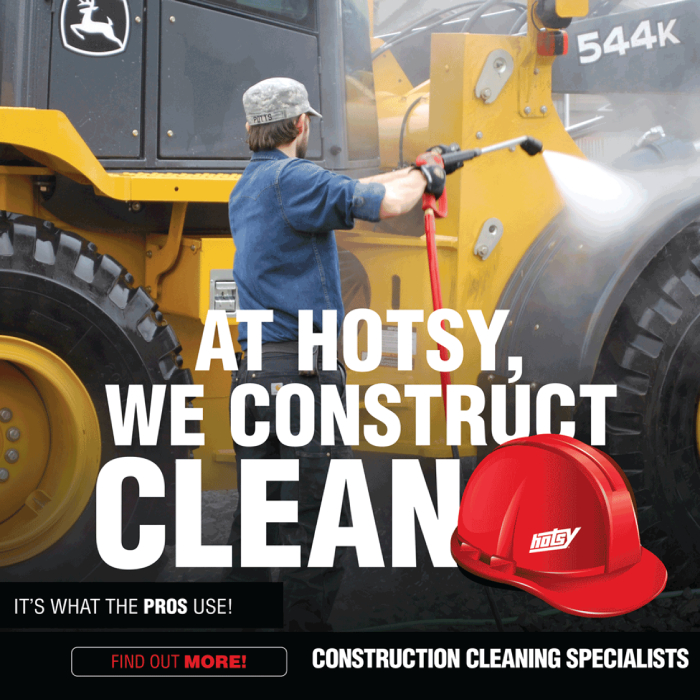
Maintaining a commercial fleet goes far beyond routine inspections and mechanical servicing. For trucks, vans, and trailers operating in Western Canada, exposure to dirt, road salt, grease, and environmental contaminants is unavoidable. Over time, these elements build up and begin to affect not only the appearance of vehicles, but also their performance, longevity, and safety.
Pressure washing plays a critical role in fleet maintenance. It is not simply about keeping vehicles clean. It is a proactive strategy that helps reduce wear and tear, supports operational efficiency, and protects your investment.
This guide explores why fleet pressure washing matters, best practices for cleaning, and how the right equipment can support long-term performance.
Why Fleet Cleaning Plays a Key Role in Maintenance
Commercial vehicles operate in demanding environments. From highways covered in winter salt to construction sites filled with mud and debris, fleets are constantly exposed to materials that accelerate deterioration.
Regular pressure washing helps:
- remove corrosive substances such as road salt and grime
- prevent buildup of grease, oil, and chemicals
- maintain vehicle integrity and structural components
- improve driver visibility and safety
- protect paint and branding
Beyond maintenance, clean fleets also contribute to a professional image. Whether it is a delivery van or a long-haul transport truck, appearance reflects directly on your business.
The Impact of Skipping Proper Fleet Cleaning
Neglecting regular cleaning can lead to more than cosmetic issues. Dirt and contaminants can cause significant long-term damage.
Corrosion and Rust
Road salt and moisture create the perfect conditions for corrosion. Without proper cleaning, rust can develop on frames, undercarriages, and critical components, leading to costly repairs.
Reduced Performance and Efficiency
Heavy buildup of debris can affect moving parts, airflow, and even fuel efficiency. Vehicles that are not properly maintained may require more frequent servicing.
Increased Safety Risks
Dirty headlights, mirrors, and windshields can compromise visibility. Brake components and sensors can also be affected by grime, increasing the risk of operational issues.
Downtime and Higher Costs
Ignoring preventative cleaning often results in unexpected repairs and downtime. This impacts productivity and increases operational costs across the fleet.
Best Practices for Pressure Washing Commercial Fleets
Effective fleet cleaning requires more than a quick rinse. A strategic approach ensures thorough removal of contaminants while protecting vehicle surfaces.
Establish a Regular Cleaning Schedule
Consistency is key. The frequency of washing depends on operating conditions. Vehicles exposed to harsh environments, such as winter roads or construction sites, may require more frequent cleaning.
Prioritize Key Cleaning Areas
Certain areas accumulate more debris and require extra attention:
- Undercarriages
- Wheel wells and tires
- Engines and mechanical parts
- Trailer connections
- Fuelling areas
Use Proper Pressure and Detergents
Using the right pressure level and cleaning solution ensures thorough cleaning without damaging surfaces. Industrial pressure washers are designed to handle these requirements efficiently.
Train Staff or Use Dedicated Systems
Whether cleaning is done in-house or through a dedicated wash bay, proper training and equipment are essential for consistent results.
Hot Water Vs. Cold Water Pressure Washers for Fleet Cleaning
Choosing between hot- and cold-water pressure washers can significantly impact cleaning effectiveness.
Cold Water Pressure Washers
Cold water systems are suitable for removing dirt, mud, and dust. They are often used for routine cleaning where grease and oil are minimal.
Hot Water Pressure Washers
Hot water systems are more effective for tackling:
- grease and oil
- road film
- heavy grime
Heat helps break down stubborn residues, reducing cleaning time and improving results. For most commercial fleets, hot water pressure washers provide a more efficient and thorough solution.
To explore professional-grade equipment, visit Hotsy Water Blast’s Pressure Washers page.
Choosing the Right Fleet Washing System
Every fleet has unique requirements based on vehicle size, industry, and operating conditions.
Mobile Vs. Fixed Systems
- Mobile units are ideal for on-site cleaning in multiple locations
- Wash bays provide a controlled environment for consistent cleaning
Learn more about wash systems here.
Custom Solutions
Larger operations may benefit from tailored systems designed to handle high volumes and specialized cleaning needs.
Explore custom setups here.
Industries That Benefit Most from Fleet Pressure Washing
Pressure washing is essential across many industries where vehicles and equipment are exposed to harsh conditions. To learn more about how pressure washing supports specific applications, explore the following industries:
From delivery fleets to heavy equipment operators, maintaining clean vehicles improves efficiency, safety, and reliability across all sectors.
Signs Your Fleet Washing Process Needs Improvement
If your current cleaning routine is not delivering consistent results, it may be time to reassess your approach.
Watch for these signs:
- Persistent buildup of grime or grease
- Visible corrosion or rust developing
- Increased maintenance or repair issues
- Inconsistent cleaning results across vehicles
- Long cleaning times with limited effectiveness
Upgrading equipment or refining your process can help address these challenges and improve overall efficiency.
Why Businesses Choose Hotsy Water Blast
Fleet managers need reliable solutions that support daily operations without adding complexity. Hotsy Water Blast provides industrial pressure washing equipment designed for demanding environments.
Our solutions are tailored for commercial and industrial use, helping businesses:
- improve cleaning efficiency
- extend vehicle lifespan
- reduce maintenance costs
- maintain a professional fleet appearance
For businesses across Western Canada, Hotsy Water Blast offers expertise and equipment that align with real-world operational needs.
Frequently Asked Questions
1. How often should a commercial fleet be pressure washed?
Cleaning frequency depends on operating conditions. Fleets exposed to road salt, mud, or heavy use may require weekly or even daily washing, while others may follow a biweekly schedule.
2. Is pressure washing safe for trucks and trailers?
Yes, when done correctly with appropriate pressure levels and equipment. Industrial pressure washers are designed to clean effectively without damaging surfaces.
3. What is the benefit of hot water pressure washing?
Hot water helps break down grease, oil, and stubborn contaminants more effectively than cold water, making it ideal for heavy-duty fleet cleaning.
4. Can pressure washing prevent rust?
Regular cleaning removes corrosive materials like salt and grime, which helps reduce the risk of rust and extends the life of vehicle components.
5. Should fleet cleaning be done in-house or outsourced?
This depends on the size of the fleet and operational needs. Many businesses benefit from in-house systems such as wash bays for better control and efficiency.
Putting Fleet Cleaning into Practice
Regular pressure washing is a vital part of fleet maintenance. It helps prevent corrosion, improve safety, reduce costs, and maintain a professional image. Investing in the right cleaning equipment and process supports long-term performance and efficiency.
If you are unsure whether your current fleet cleaning system is meeting your needs, it may be time to evaluate your setup. Contact Hotsy Water Blast to assess your existing equipment and determine whether repair, replacement, or an upgrade is the most cost-effective solution for your operation.