
Blog
When Should You Upgrade Your Parts Washer? 5 Key Warning Signs
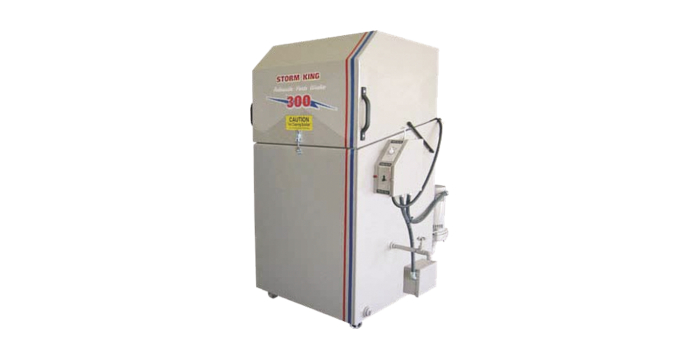
Keeping equipment clean is essential for maintaining performance, reducing downtime, and supporting safe operations. For many industrial and commercial facilities, a parts washer plays a critical role in daily maintenance routines. However, over time, even the most reliable systems can become less efficient, more costly to operate, and misaligned with evolving production demands.
If your current setup relies on aging equipment, manual cleaning processes, or an undersized machine, it may be time to evaluate whether an upgrade makes better sense than continued repairs. Modern industrial parts washers are designed to improve cleaning performance, reduce labour demands, and support long-term operational efficiency.
Below are five clear signs that indicate it may be time to upgrade your parts washer.
1. Cleaning Results Are Inconsistent or Ineffective
One of the first and most noticeable signs of an aging parts washer is inconsistent cleaning performance. When grease, oil, and contaminants are not fully removed, your equipment may not perform as intended, leading to unnecessary wear or failure.
Poor cleaning often results from declining pump pressure, worn spray nozzles, or outdated cleaning technology that no longer meets your facility’s requirements. If your team frequently needs to rewash parts or finish cleaning manually, it is a strong indication that your system is no longer operating efficiently.
Upgrading to a modern system, such as an automatic parts washer, can deliver consistent, high-quality cleaning with precise control over temperature, pressure, and detergent application. This level of reliability improves both equipment performance and overall workflow.
For facilities facing these challenges, working with an experienced provider like Hotsy Water Blast ensures access to reliable industrial cleaning equipment and proven parts washer solutions.
2. Labour Costs Are Increasing Due to Manual Workarounds
When a parts washer begins to underperform, employees often compensate by spending additional time on manual cleaning. This includes scrubbing parts by hand, performing multiple cleaning cycles, or troubleshooting issues during operation.
While these workarounds may keep operations running temporarily, they increase labour costs and reduce productivity over time. Skilled technicians should be focused on maintenance and repairs, not on compensating for inefficient equipment.
A modern parts washer solution is designed to automate much of the cleaning process. Automated systems reduce manual input, streamline workflows, and allow your team to focus on higher-value tasks. This leads to measurable improvements in efficiency and overall cost control.
3. Frequent Breakdowns and Rising Maintenance Costs
All equipment requires maintenance, but if your parts washer is experiencing frequent breakdowns or recurring repairs, it may be approaching the end of its lifecycle. Replacing pumps, heating elements, or electrical components can quickly become expensive, especially if the repairs are often needed.
At a certain point, the cost of maintaining an aging system outweighs the investment in a newer, more reliable machine. Downtime caused by unexpected failures can also disrupt operations, delay projects, and affect delivery timelines.
Newer industrial cleaning equipment is built with improved durability and advanced components that require less frequent servicing. By upgrading, you reduce the risk of sudden failures and gain a more dependable cleaning process that supports uninterrupted operations.
4. Your Current System Cannot Keep up with Demand
As businesses grow, so do production volumes and maintenance requirements. A parts washer that once met your needs may now be too small or too slow to keep up with daily operations.
If your team is experiencing bottlenecks, waiting for cleaning cycles to finish, or handling more parts than the system was designed for, it can create delays across your entire workflow. This is especially common in industries such as manufacturing, transportation, and oil and gas, where equipment maintenance is critical.
Upgrading to a larger or more advanced system allows you to scale your cleaning capacity in line with your operations. Modern machines offer faster cycle times, higher throughput, and improved efficiency, ensuring your facility can meet current and future demands without compromise.
5. Safety and Compliance Concerns Are Emerging
Older parts washing systems may not meet current safety standards or environmental regulations. Issues such as inadequate ventilation, chemical exposure, or improper waste management can pose risks to both employees and the workplace.
Manual cleaning processes can also increase the likelihood of workplace injuries, from repetitive strain to exposure to harsh cleaning agents. Addressing these risks is essential for maintaining a safe and compliant operation.
Newer parts washers are designed with operator safety in mind. Features such as enclosed systems, automated controls, and safer detergent solutions help minimize exposure and reduce workplace hazards. Upgrading your system can support compliance while protecting your team.
Benefits of Upgrading Your Parts Washer
Recognizing the signs of an aging system is the first step. The next is understanding the long-term benefits of upgrading to modern equipment.
Improved Efficiency
New parts washers deliver faster, more consistent results with less manual intervention.
Reduced Operating Costs
Lower labour demands and fewer repairs contribute to significant cost savings over time.
Enhanced Equipment Performance
Cleaner parts lead to better-functioning machinery and fewer maintenance issues.
Increased Productivity
Streamlined cleaning processes allow your team to focus on core operational tasks.
Better Safety and Compliance
Modern systems support safer working conditions and align with regulatory requirements.
When Does Repair No Longer Make Sense?
Many businesses hesitate to upgrade because they want to maximize the lifespan of their current equipment. However, continuing to invest in repairs can become inefficient once:
- maintenance costs become unpredictable
- downtime affects productivity
- cleaning quality impacts equipment performance
- labour demands increase due to inefficiencies
At this stage, a replacement or upgrade is often the more cost-effective solution. A professional evaluation can help determine the best course of action based on your specific needs.
Why Work with Hotsy Water Blast?
Choosing the right parts washer is not just about selecting equipment. It involves understanding your operation, your cleaning requirements, and your long-term goals.
The team at Hotsy Water Blast specializes in industrial cleaning equipment and can help you assess your current setup, identify inefficiencies, and recommend solutions tailored to your facility. Whether you need a replacement, an upgrade, or guidance on maintenance, our expertise ensures you make a well-informed decision.
You can also explore solutions or get in touch directly through our contact page to discuss your specific requirements.
Frequently Asked Questions
1. How long do industrial parts washers typically last?
The lifespan of a parts washer depends on usage, maintenance, and build quality. Well-maintained systems can last several years, but performance often declines before complete failure.
2. What are the main benefits of an automatic parts washer?
Automatic systems improve cleaning consistency, reduce labour requirements, and increase overall efficiency compared to manual or semi-manual processes.
3. How do I know if I should repair or replace my parts washer?
If repair costs are rising, downtime is increasing, and cleaning quality is declining, it may be more cost-effective to upgrade rather than continue repairs.
4. Can upgrading a parts washer reduce operational costs?
Yes. Modern systems reduce labour, improve efficiency, and minimize downtime, all of which contribute to lower operating costs over time.
5. What industries benefit from upgrading parts washers?
Industries such as manufacturing, transportation, agriculture, oil and gas, and heavy equipment maintenance all benefit from improved cleaning systems.
A Quick Recap for Better Cleaning Efficiency
An underperforming parts washer can affect efficiency, costs, and safety across your entire operation. Recognizing the signs early allows you to take action before issues escalate.
Upgrading to a modern system can improve performance, reduce downtime, and support long-term productivity. For expert guidance, contact Hotsy Water Blast to evaluate your current setup and find the right solution for your needs.